AT&T’s AI operations were once a textbook case in inefficiency. Every day, the company processed 8 billion tokens—a volume that made traditional large language models prohibitively expensive to run at scale. The solution wasn’t brute-force scaling but a complete architectural overhaul: replacing monolithic models with a modular, agent-based system that dynamically routes tasks to the most efficient tools. The outcome? Costs plummeted by 90%, while accuracy improved. This wasn’t just an upgrade—it was a reinvention.
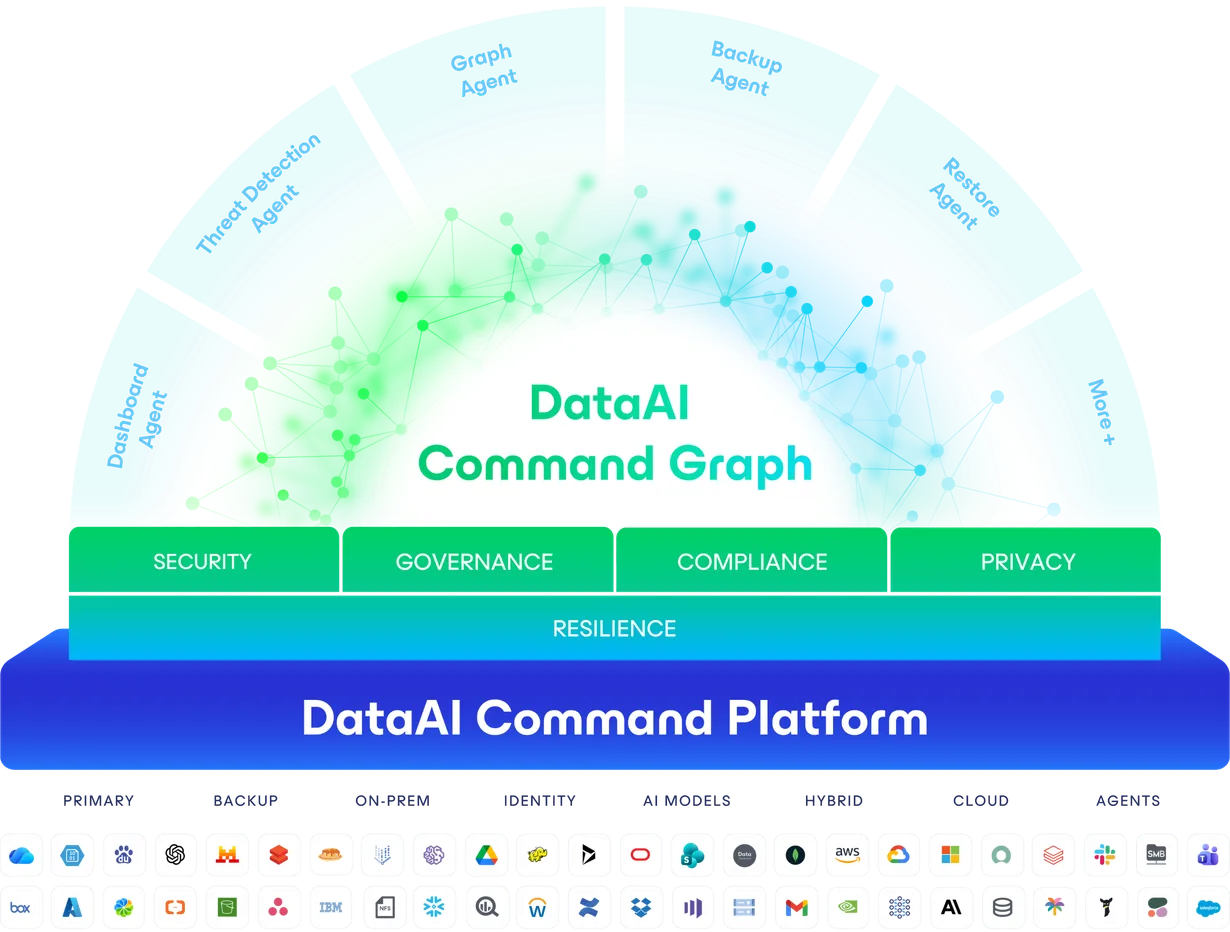
The turning point came when AT&T’s data science team realized that most AI workloads didn’t need a single, all-powerful model. Instead, they designed a federated network of lightweight agents, each specialized for narrow tasks—whether parsing customer service logs, diagnosing network issues, or generating reports. A central orchestrator assigns tasks to the right agent based on cost, speed, and precision requirements. The result is a system that adapts in real time, avoiding the waste of overkill.
Before this shift, AT&T’s AI spend was ballooning as demand grew. A single large model handling everything meant high latency, exorbitant cloud costs, and diminishing returns on performance. The agent-based approach flipped the script: by breaking problems into smaller, optimized components, the system reduced inference costs per token by 80% while maintaining—or even improving—output quality. For example, a routine customer query that once required a full-model pass now funnels through a pre-trained, ultra-lightweight agent, slashing both time and expense.

The implications for enterprise AI are profound. Most companies still treat AI as a one-size-fits-all problem, throwing more compute at the issue rather than rethinking the architecture. AT&T’s proof of concept suggests that scalability isn’t about bigger models—it’s about smarter orchestration. The framework could be particularly transformative for industries with high-volume, low-margin AI use cases, such as telecommunications, logistics, or financial services.
What’s next? AT&T is now open-sourcing key components of its orchestration layer, inviting other enterprises to adopt a similar modular approach. Early adopters in the telecom sector have already replicated the model, achieving comparable cost savings. The broader AI community is watching closely, as this could challenge the dominance of monolithic models in favor of composable, cost-efficient systems. For companies still clinging to legacy AI architectures, the message is clear: the future of scalable AI isn’t about throwing more hardware at the problem—it’s about rethinking how the problem is solved in the first place.