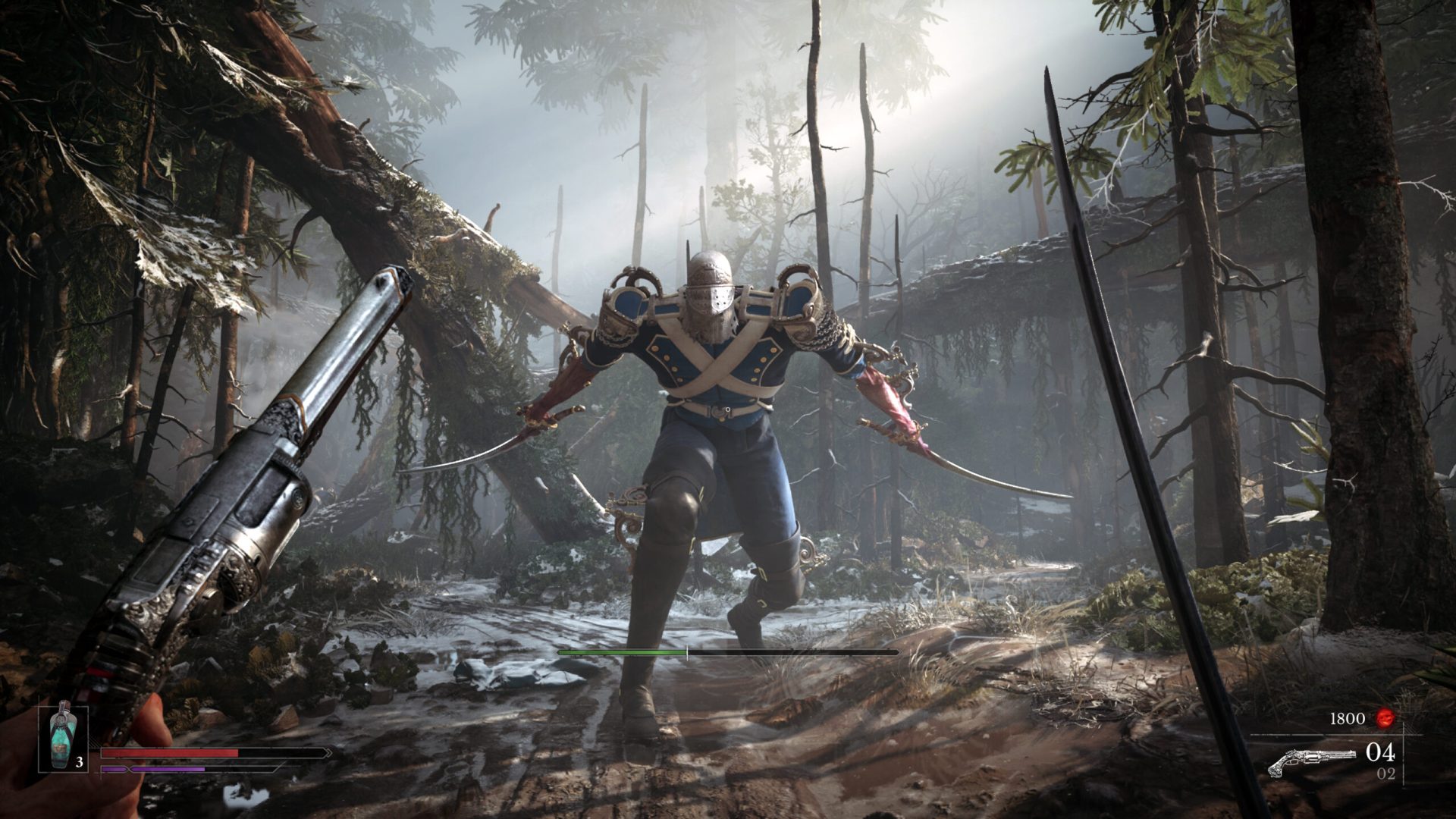
Assassin's Creed Shadows is entering its final stretch of support, marking a turning point for the series. Ubisoft’s latest update signals a pivot toward three major projects, with one in particular—Codename Hexe—emerging as a potential standout. The announcement also offers rare clarity on multiplayer ambitions and co-op development, though challenges remain.
The shift away from Shadows reflects broader industry trends, where long-running titles often give way to more focused, experimental projects. For Ubisoft, this means doubling down on narrative-driven experiences while rethinking multiplayer in ways that avoid past pitfalls. The question now is whether these efforts can translate into something meaningful for players.
What’s Coming Next
The three projects taking center stage are Codename Hexe, a darker, narrative-driven entry; Codename Invictus, a reimagined multiplayer experience; and the return of co-op—a concept that has been explored before but never fully realized in the Assassin's Creed universe. Each represents a different approach to innovation within the franchise.
- Codename Hexe: Described as a deeper, more immersive narrative experience, this project is being led by Jean Guesden, a director with a strong track record in the series, including his work on Black Flag. Its development has been stable despite recent leadership changes, suggesting a well-defined vision.
- Codename Invictus: Originally rumored to be a chaotic online party game akin to Fall Guys, Ubisoft has clarified that it is instead a fresh take on multiplayer, built on lessons learned from earlier experiments. The project is progressing under a 'test and learn' model, which implies iterative development but also uncertainty about its final form.
- Co-op Return: Ubisoft acknowledges the importance of co-op, a feature that was previously abandoned in Shadows. While no details have been confirmed, the lessons from past work are being applied to future projects, hinting at a more structured approach this time around.
That’s the upside—here’s the catch. The focus on narrative depth and multiplayer experimentation is promising, but Ubisoft’s recent restructuring has created challenges. Layoffs and studio closures have reshaped teams, leaving some projects like Codename Hexe without their original creative leadership. Whether this will impact quality remains to be seen.

Who Benefits
Developers and long-time Assassin's Creed fans stand to gain the most from these changes. For developers, the shift toward modular multiplayer tech could streamline future projects, making it easier to adapt proven mechanics across titles. Fans, on the other hand, may see a more cohesive series with stronger narrative threads and, if co-op is executed well, a return to shared experiences that define the franchise.
For casual players or those less invested in multiplayer, the changes may feel incremental rather than revolutionary. The 'test and learn' approach for Invictus suggests a slower, more deliberate rollout, which could frustrate users looking for immediate innovation. Meanwhile, Codename Hexe’s narrative focus will appeal to those who prioritize storytelling over gameplay mechanics.
Market Impact
The end of Shadows support doesn’t just signal the close of one chapter—it sets the stage for how Ubisoft navigates the next phase of its roadmap. The emphasis on modular tech and cross-project development could redefine efficiency in the industry, but it also raises questions about creative risk-taking. If successful, this approach could become a blueprint for other publishers looking to balance innovation with stability.
For now, players will have to wait for March 20 to see how these projects take shape. What’s clear is that Ubisoft is betting on narrative depth and multiplayer evolution as the future of Assassin's Creed. Whether it pays off remains an open question.