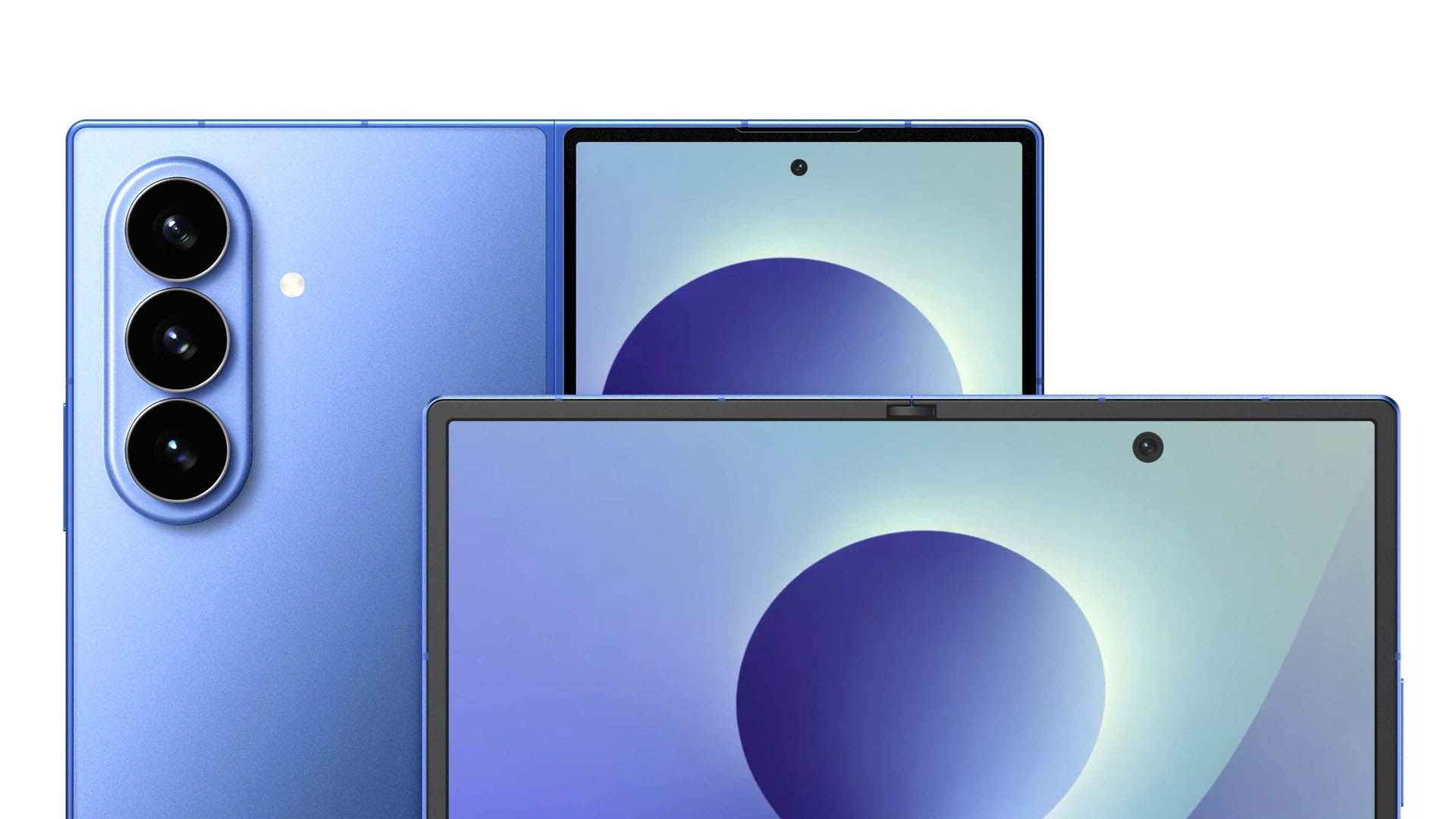
Apple’s push into foldable smartphones has always been shadowed by one persistent flaw: the crease. Even after years of competitors refining their designs, the iPhone Fold’s inner display—rumored to be in advanced production—may finally address this issue with an engineering breakthrough.
A credible tipster claims Apple has secured orders for foldable display panels with extremely tight tolerances, ensuring the crease is kept below 0.15mm in thickness and under 2.5 degrees in angle. If accurate, this would make the iPhone Fold’s display one of the most precise foldable screens ever shipped, potentially rendering the crease nearly invisible under normal use.
The rumored specifications suggest Apple is leveraging advanced materials and manufacturing processes to minimize visibility. While competitors have struggled with visible creases—some as wide as 0.3mm or more—the iPhone Fold’s approach could set a new industry standard. However, such precision comes at a cost, with reports indicating the panels may be priced conservatively, though it remains unclear whether this refers to individual components or the full assembly.
The Crease Problem—and How Apple Might Fix It
Foldable displays have long battled a fundamental tradeoff: flexibility versus durability. Most current designs use Ultra-Thin Glass (UTG) for rigidity, but this material is prone to scratching. To counter this, Apple is reportedly applying a Polyimide film over the glass, adding an extra layer of protection while maintaining flexibility. This dual-layer approach may help reduce crease visibility while improving scratch resistance—though durability in long-term use remains untested.

If the rumored tolerances hold, the iPhone Fold could redefine expectations for foldable devices. Competitors like Samsung and Huawei have made progress, but their creases are still noticeable upon closer inspection. Apple’s focus on near-invisibility suggests a design philosophy prioritizing aesthetics over functional compromises—a hallmark of its approach to premium hardware.
Mass Production and Launch Timeline
Production for the iPhone Fold is said to be ramping up, with panel orders already placed and trial manufacturing underway. A simultaneous launch with the iPhone 18 Pro series is rumored to be in the works, potentially as early as mid-2026. This dual-release strategy could help Apple mitigate supply chain risks while ensuring both devices receive adequate attention.
That said, rumors in this space often shift before finalization. While the engineering details are compelling, Apple’s history of last-minute changes—such as design tweaks or feature adjustments—means nothing is certain until official announcements. For now, the focus remains on whether Apple can deliver on its precision claims and whether the crease will truly fade into obscurity.
The iPhone Fold’s success hinges not just on hardware but on execution. If Apple succeeds in minimizing the crease, it could accelerate adoption of foldable phones among users who’ve avoided them due to visibility concerns. For now, the wait continues.