Apple’s approach to chip manufacturing has always been built on exclusivity and precision. For over a decade, the company’s custom silicon—from the A-series chips powering iPhones to the M-series driving Macs—has been almost entirely produced by TSMC. But beneath this steadfast partnership, early indications suggest Apple is beginning to diversify its foundry options, a development that could have ripple effects across the tech industry.
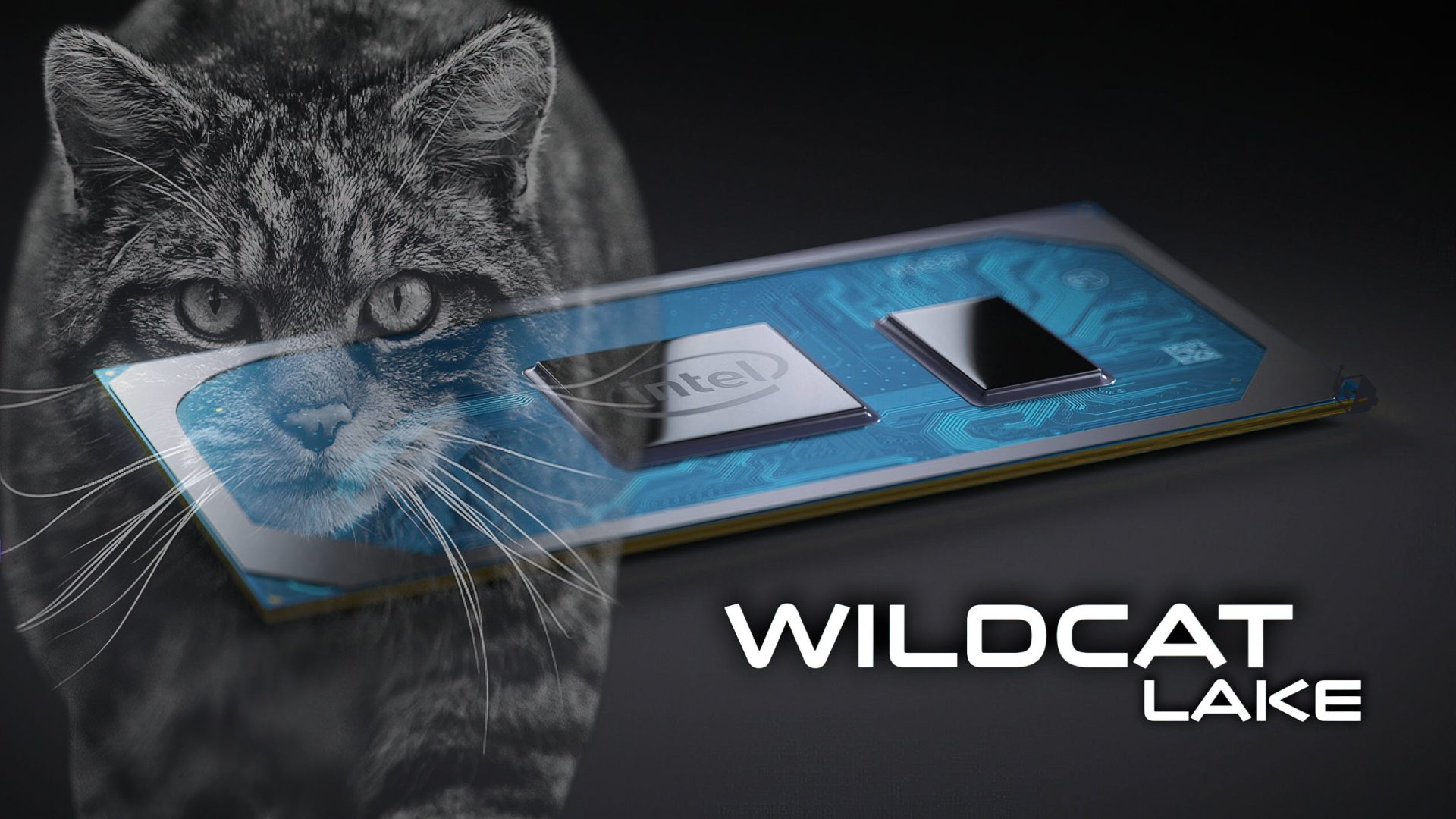
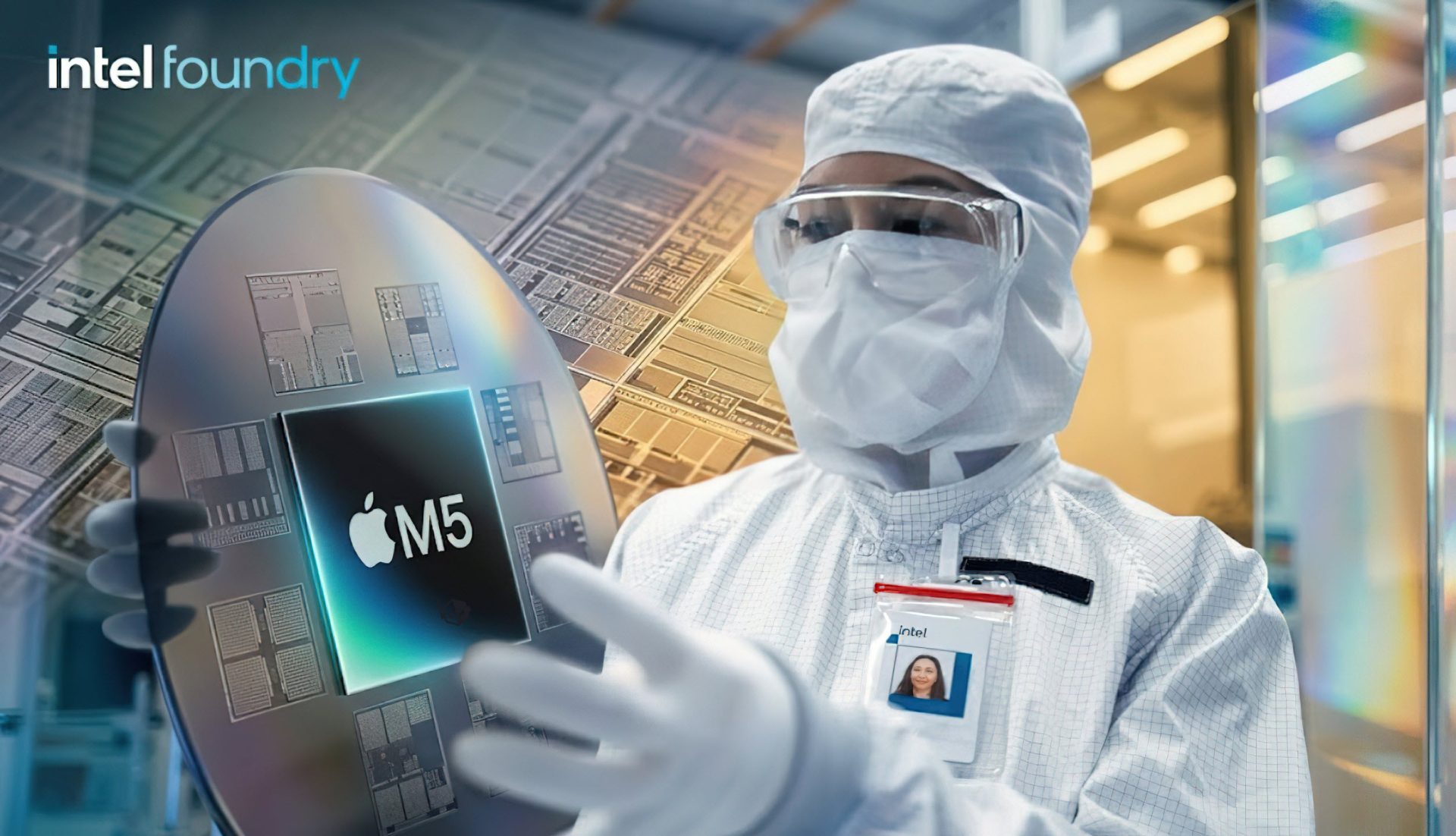
This isn’t about abandoning TSMC overnight. Instead, it’s a calculated strategy to mitigate risks in an ecosystem where demand for advanced nodes like 3nm is outpacing even the most robust supply chains. TSMC remains Apple’s cornerstone, but the company is now engaging with Intel and Samsung in exploratory talks that could redefine its long-term manufacturing footprint. The move is cautious, deliberate, and—if successful—could challenge the notion that TSMC’s dominance in advanced process technology is unassailable.
Why Now?
The timing of this shift isn’t accidental. TSMC’s ability to scale production at cutting-edge nodes has been a critical factor in Apple’s roadmap, but capacity constraints are becoming an increasing concern. While TSMC continues to invest heavily in new fabs and equipment, the lead times for securing slots at its most advanced nodes can stretch beyond what even Apple is accustomed to. For a company that thrives on tight control over product cycles, this uncertainty introduces operational complexity.
- TSMC’s pricing structure is predictable, but other foundries may introduce variables that could complicate Apple’s cost projections.
- Intel’s foundry business, though growing, lacks the same level of maturity at advanced nodes as TSMC or Samsung.
- Samsung has a strong track record in process technology, but its experience with custom Apple designs is nonexistent.
The real question isn’t whether Apple will eventually diversify—it’s how quickly and smoothly that transition can happen. Any misstep could disrupt Apple’s ability to deliver on its aggressive innovation timelines, a risk the company is clearly attempting to mitigate by exploring multiple avenues simultaneously.
Market Implications
For Apple, the immediate impact may be limited. The vast majority of users interact with its products through software and design, not the underlying silicon. Performance benchmarks between chips made at different fabs are likely to remain consistent, assuming yield rates and power efficiency meet Apple’s exacting standards. However, enterprise customers and PC builders who rely on Apple’s high-performance silicon—such as the M-series chips in Mac Studio models—could see indirect benefits if diversification leads to more stable supply chains.
But the broader implications for the semiconductor industry could be significant. TSMC has long been the default choice for high-end mobile and computing chips, but its market position isn’t immutable. If Apple successfully transitions even a portion of its production to other foundries, it could send a strong signal to competitors that investing in advanced process technology is no longer a guaranteed path to dominance. The real test will be whether Intel and Samsung can not only meet Apple’s standards for quality but also innovate at the same pace.
The Path Forward
Despite the exploratory nature of these discussions, the potential for change is undeniable. TSMC remains Apple’s primary partner, and any shift would likely be phased over multiple generations of chips to avoid disruption. For now, Apple appears to be playing a long game—one that prioritizes resilience without sacrificing its current momentum.
If these talks advance, the outcome could reshape not just Apple’s supply chain but the entire semiconductor landscape. The company’s willingness to explore alternatives is a reminder that even the most entrenched partnerships in tech aren’t set in stone. Whether this diversification becomes a footnote or a turning point remains to be seen, but one thing is clear: the industry is watching closely.