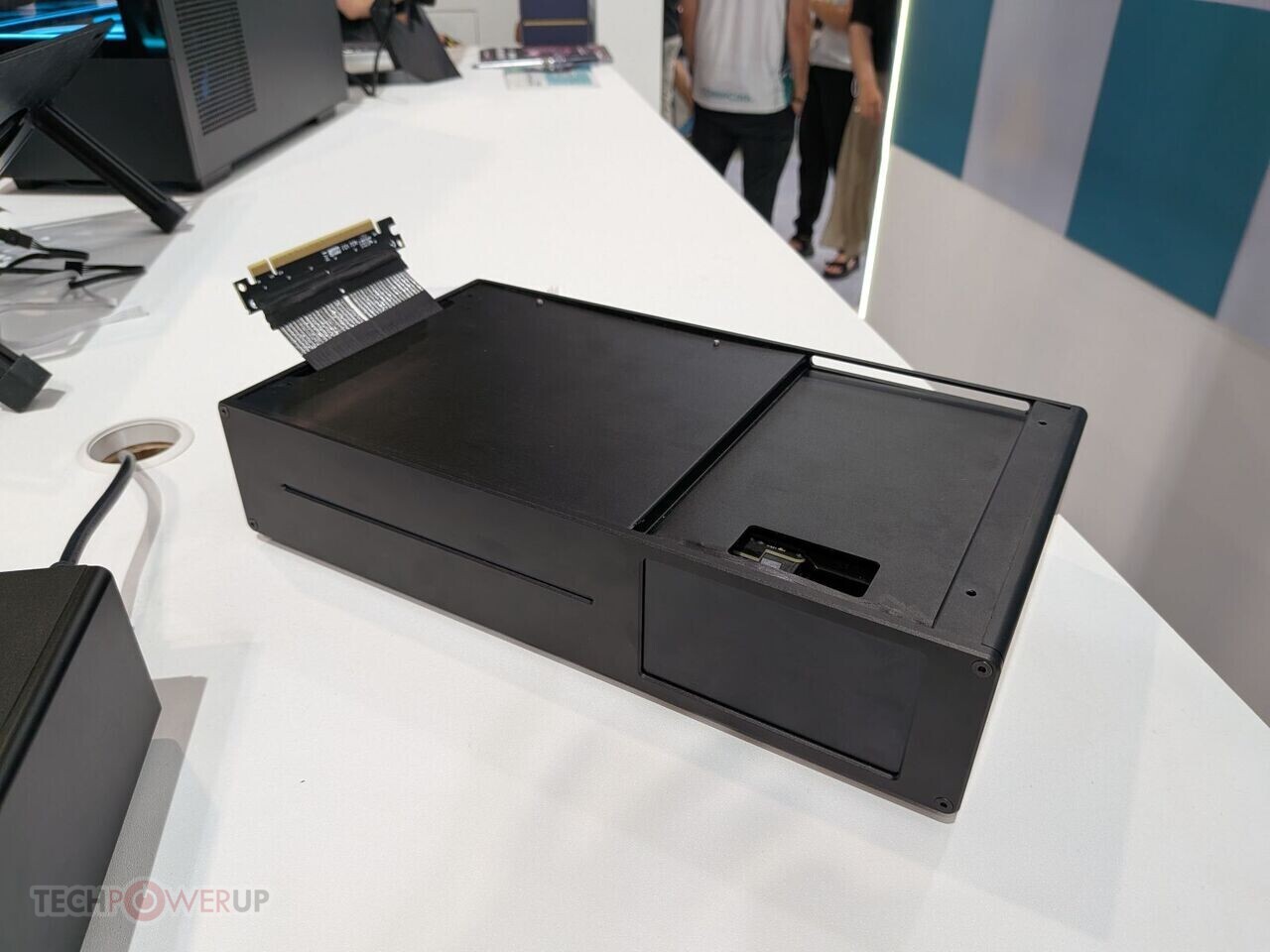
Apple is bringing Mac mini assembly to the U.S. for the first time, marking another milestone in its push to expand domestic manufacturing. The company announced plans to produce the compact desktop at its Houston facility later this year, doubling the campus’s footprint and adding thousands of jobs. This follows the launch of AI server production in Houston, which is already ahead of schedule.
- Mac mini production: Moving to Houston later this year, marking Apple’s first U.S.-made Mac mini.
- AI server expansion: Houston facility is already assembling logic boards for Apple’s data centers, with production exceeding targets.
- Workforce training: A 20,000-square-foot Advanced Manufacturing Center will open to teach American businesses advanced techniques used in Apple’s supply chain.
- Semiconductor investments: Over $11 billion in new facilities for chip packaging (Amkor, Arizona) and wafer production (GlobalWafers, Texas).
- Cover glass shift: Corning’s Kentucky plant now supplies 100% of iPhone and Apple Watch glass globally.
- Chip sourcing: 20 billion U.S.-made chips produced in 2025, with TSMC’s Arizona plant on track for 100M+ chips in 2026.
- Academy expansion: Apple’s Detroit-based Manufacturing Academy now offers virtual training for small businesses nationwide.
The Houston move underscores Apple’s broader strategy to reshore production while investing in American talent. Beyond Mac mini assembly, the campus will continue scaling AI server production, with logic boards fabricated onsite. These servers power Apple’s data centers, and the company expects Houston’s output to grow further.
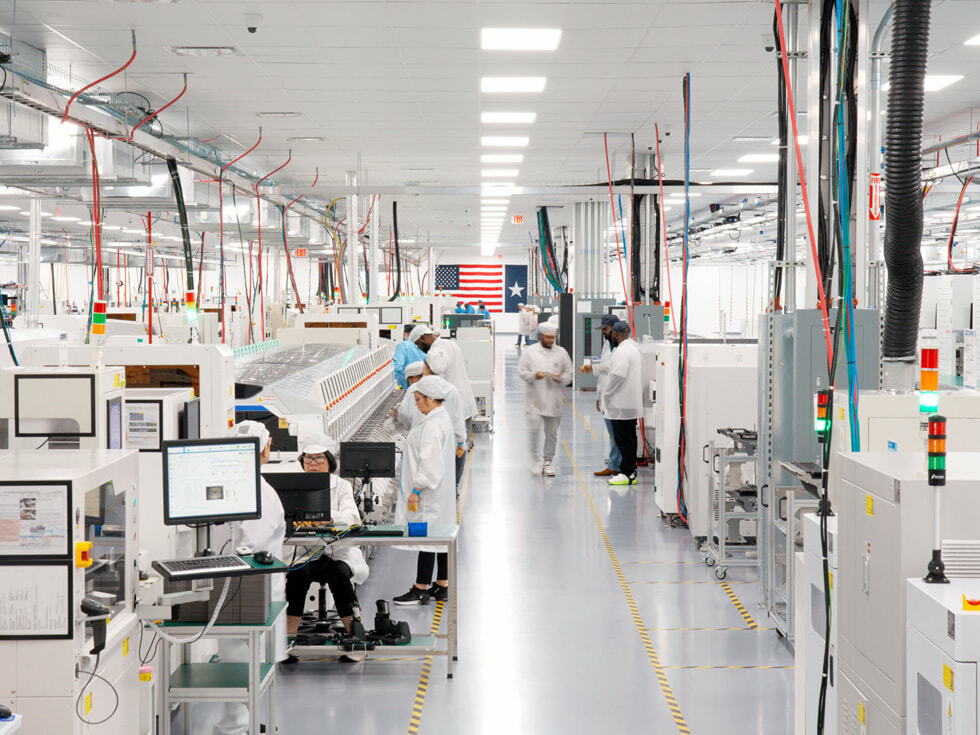
Education is a cornerstone of the initiative. The Advanced Manufacturing Center, set to open later this year, will provide hands-on training in robotics, automation, and precision assembly—skills directly applicable to Apple’s supply chain. Participants will learn from Apple engineers, with programs tailored for students, suppliers, and small manufacturers. This complements the Apple Manufacturing Academy in Detroit, which has already trained over 130 businesses in AI-driven workflows.
Apple’s $600 billion commitment to U.S. manufacturing has already yielded tangible results. In 2025 alone, the company sourced more than 20 billion chips from 24 domestic factories, including partnerships with TSMC, Broadcom, and Texas Instruments. GlobalWafers’ new $4 billion wafer plant in Sherman, Texas, will supply Apple’s chip partners, while Amkor’s $7 billion packaging facility in Arizona—where Apple is the anchor tenant—will begin operations soon. Meanwhile, Corning’s Kentucky glass plant now produces all cover glass for iPhones and Apple Watches, a shift that aligns with Apple’s goal of 100% domestic sourcing for key components.
For consumers, the Houston production shift may eventually translate to localized supply chains and faster turnaround for Mac mini models. The move also signals Apple’s confidence in scaling U.S. operations beyond the iPhone, though challenges remain in balancing cost and local labor availability. With AI servers and now Mac mini assembly under one roof, Houston is poised to become a hub for Apple’s next-generation hardware.