Apple’s push to reshore manufacturing is entering a new phase, with the company set to produce the Mac mini in the U.S. for the first time. Announced today, this shift will see the compact powerhouse assembled at a new facility in Houston—part of a broader expansion that includes ramping up AI server production and launching a 20,000-square-foot training center aimed at upskilling American workers in advanced manufacturing techniques.
The move underscores Apple’s growing commitment to domestic production, which has already seen significant progress over the past year. From sourcing over 20 billion U.S.-made chips to securing dedicated semiconductor facilities in Texas and Arizona, the company is weaving a tighter supply chain within American borders. The Mac mini’s arrival in Houston isn’t just symbolic; it reflects a strategic realignment that could influence how tech hardware is made—and who gets to make it.
Houston’s role in Apple’s ecosystem has been expanding rapidly. Since 2025, the city has been a hub for assembling AI servers, with logic boards produced onsite now powering data centers across the country. With Mac mini production set to begin later this year, the campus’s footprint will double, solidifying Houston as a key node in Apple’s global manufacturing network.
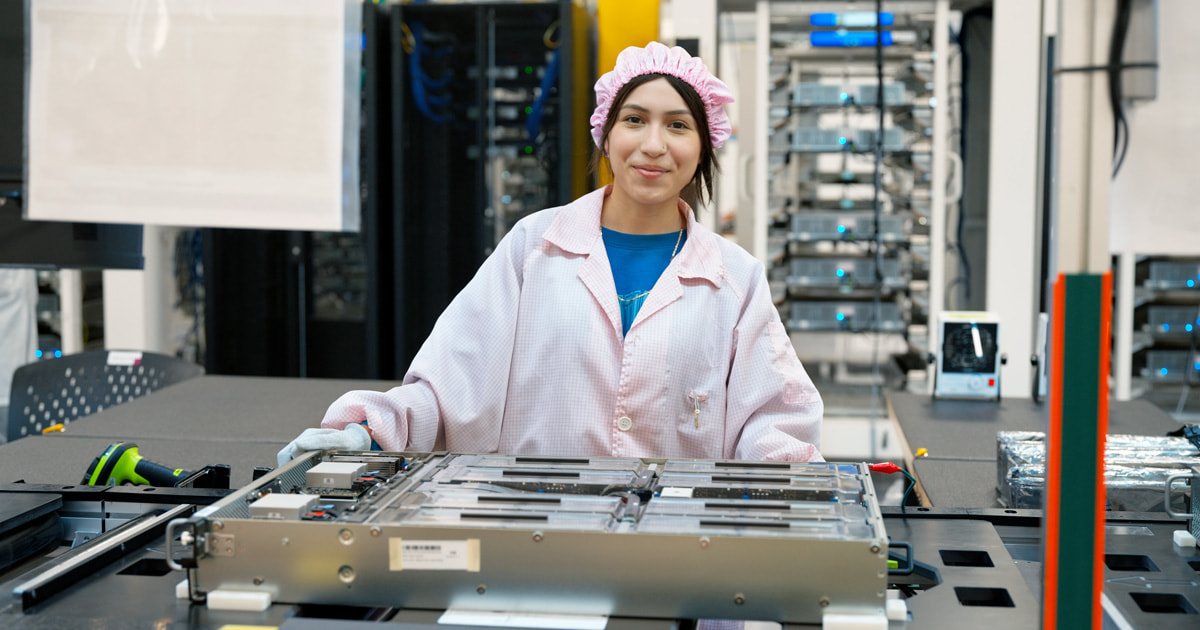
- Mac Mini Production: First-time U.S. assembly at Apple’s Houston facility, slated for later this year.
- AI Server Expansion: Existing production ahead of schedule; Houston-made servers already deployed in U.S. data centers.
- Advanced Manufacturing Center: A 20,000-square-foot training hub opening later this year, offering hands-on courses in Apple’s production techniques for students, suppliers, and businesses.
- Workforce Impact: Thousands of new jobs expected across Houston’s expanded operations.
- Broader U.S. Investments: Over 20 billion U.S.-made chips sourced from 24 factories in 12 states, including TSMC and Texas Instruments. New semiconductor facilities in Texas and Arizona, with Apple as the anchor customer.
The Mac mini’s transition to domestic assembly is more than a logistical shift—it’s a testament to Apple’s ability to balance innovation with localization. For users, the change may bring little immediate difference, but for manufacturers and the American tech workforce, it signals a potential turning point. The training center, in particular, could serve as a blueprint for how tech giants can invest in homegrown talent, ensuring that the skills needed for next-generation manufacturing are developed right here.
Beyond Houston, Apple’s American Manufacturing Program continues to make strides. In Detroit, the Apple Manufacturing Academy has already trained over 130 small and mid-sized businesses in AI and automation. Meanwhile, partnerships with Corning and TSMC have led to fully U.S.-sourced components, from iPhone cover glass to advanced chips. With over 100 million chips expected to be purchased from TSMC’s Arizona facility this year alone, Apple’s domestic supply chain is becoming more self-sufficient by the day.
For now, the focus remains on Houston. The city’s new factory and training center represent a rare blend of production and education—a model that could redefine how tech hardware is not just made, but taught. As Apple’s CEO noted, this isn’t just about bringing jobs back to America; it’s about building the infrastructure to keep them there for decades to come.