AMD’s push into next-generation desktop computing has hit an unexpected delay. The company’s Olympic Ridge lineup, based on the Zen 6 architecture, will not arrive in 2026 as previously speculated. Instead, the Ryzen chips—rumored to span configurations from 6 to 24 cores—are now targeted for a 2027 release, leaving the AM5 socket in place for another year.
The shift comes as AMD refines its roadmap, with Zen 6 already deployed in data center and AI-focused EPYC chips. While the desktop delay may disappoint enthusiasts, it aligns with a broader trend: AMD prioritizing stability over rapid iteration in an era still grappling with component shortages.
Design and Build: AM5 Persists, But Changes Are Coming
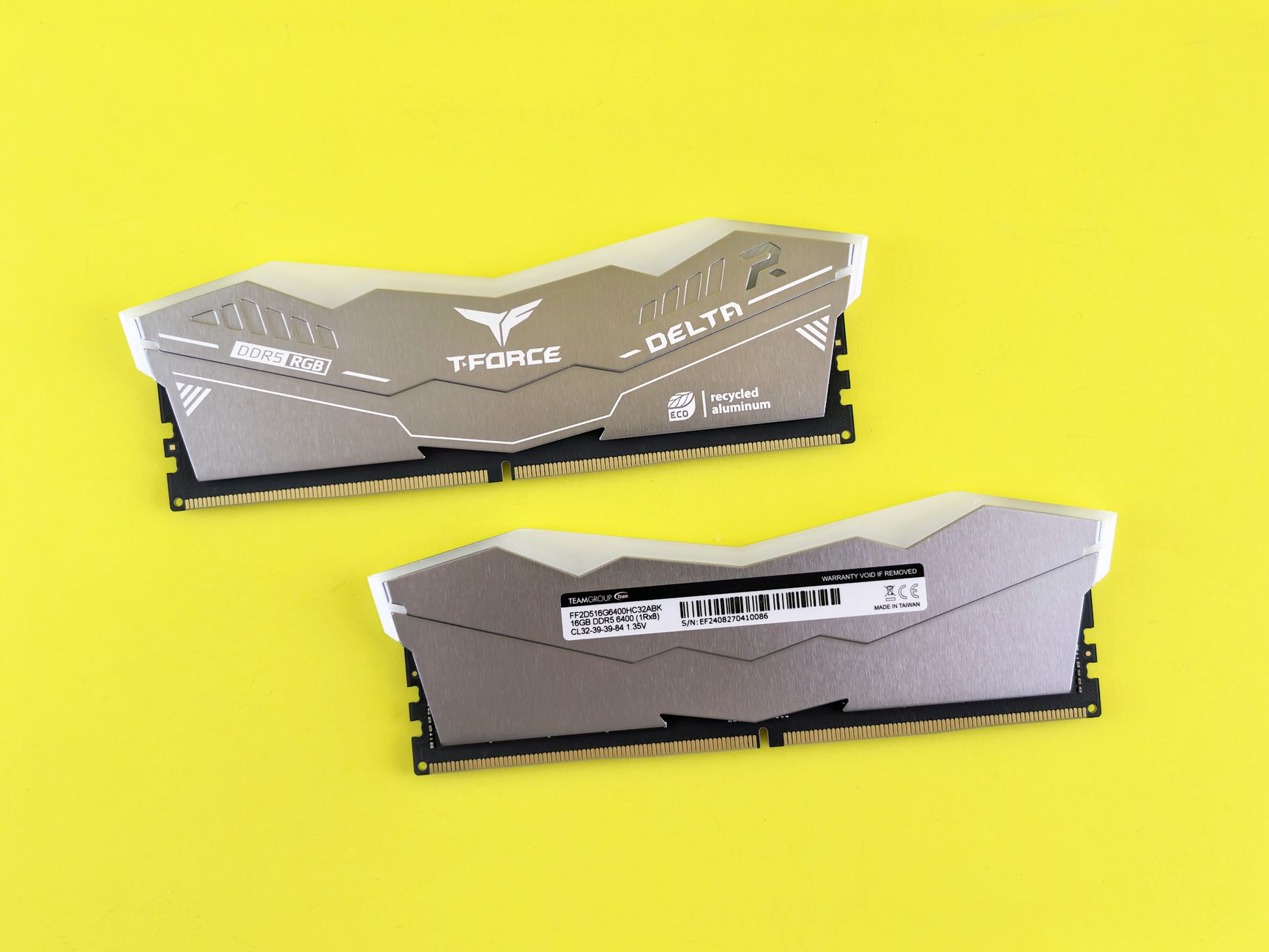
The Olympic Ridge CPUs will retain compatibility with the AM5 socket, meaning existing 800-series motherboards can support them. However, next-gen AM5 boards are expected to introduce CUDIMM support, a feature that could redefine memory bandwidth for high-end systems. This move suggests AMD is preparing for DDR5 advancements beyond current standards.
Under the hood, Olympic Ridge adopts TSMC’s N2 process node, a refinement over the Zen 4-based Raphael chips. The architecture introduces 12 Zen 6 cores per CCD, with configurations scaling up to 24 cores and 48 threads. Early benchmarks hint at a higher IPC uplift compared to Zen 4, though exact gains remain unconfirmed until samples arrive.
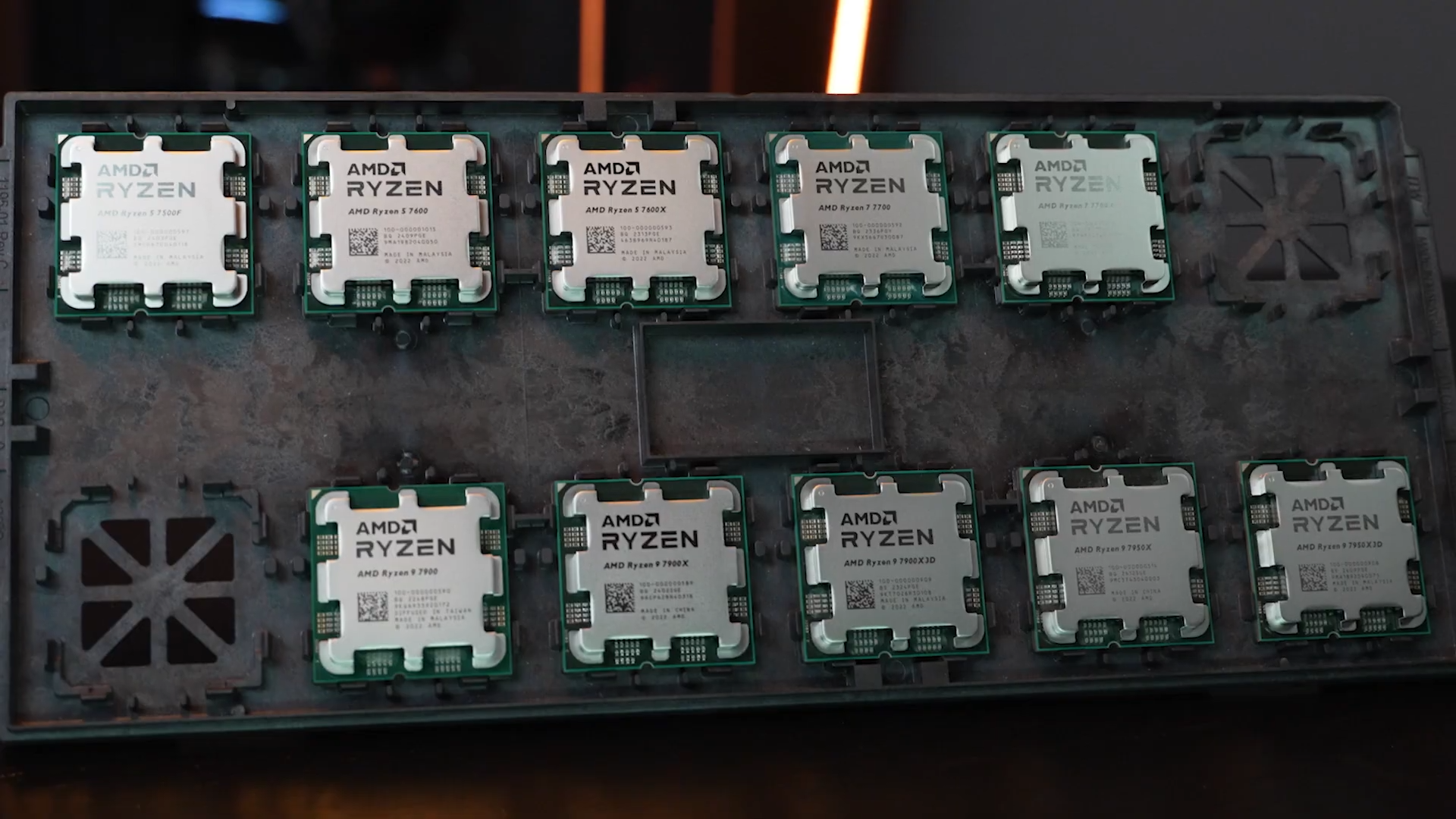
Key Specs: What Olympic Ridge Brings to the Table
- Architecture: Zen 6 (Olympic Ridge)
- Fab Node: TSMC N2
- Core Configurations: 6C/12T to 24C/48T
- L3 Cache: 48MB per CCD (up to 96MB total)
- 3D V-Cache: Improved X3D technology
- Socket: AM5 (backward-compatible)
- Memory: DDR5 (CUDIMM support on next-gen AM5 boards)
- PCIe: PCIe 5.0 (exact lanes TBD)
- TDP: Up to 700W (dual-chip) / 350W (single)
- Expected Launch: 2H 2026 (motherboards at Computex 2026) / CES 2027 (full lineup)
Olympic Ridge’s most intriguing feature may be its CUDIMM readiness, a technology that could unlock 8000 MT/s DDR5 speeds—far beyond current consumer-grade memory. While AMD has not confirmed final specs, leaks suggest the lineup will include high-end models like the Ryzen 7 10000 series, though exact naming remains speculative.
The delay also puts AMD in a reactive position against Intel’s Nova Lake-S CPUs, which are expected in late 2026. Intel’s chips, built on the same TSMC N2 node, will feature a hybrid architecture with up to 52 cores and 80 threads, though desktop variants are likely to max out at 24 cores. The power draw comparison is stark: Intel’s dual-chip designs could hit 700W, while AMD’s Olympic Ridge is capped at 350W for single chips.
Who Stands to Gain?
For AMD, the delay buys time to refine yield and performance. The AM5 socket’s longevity benefits users with existing builds, though early adopters may face higher costs for next-gen AM5 motherboards. Enthusiasts and workstation users will likely see the biggest gains from Olympic Ridge’s core count and memory bandwidth, while gamers may benefit from improved 3D V-Cache efficiency.
Intel’s early move with Nova Lake-S could pressure AMD to accelerate its timeline, but the lack of a 2026 desktop launch suggests a more measured approach. If Olympic Ridge arrives at CES 2027, it will mark a return to AMD’s traditional January unveilings—a strategy that could set the tone for the entire PC industry.