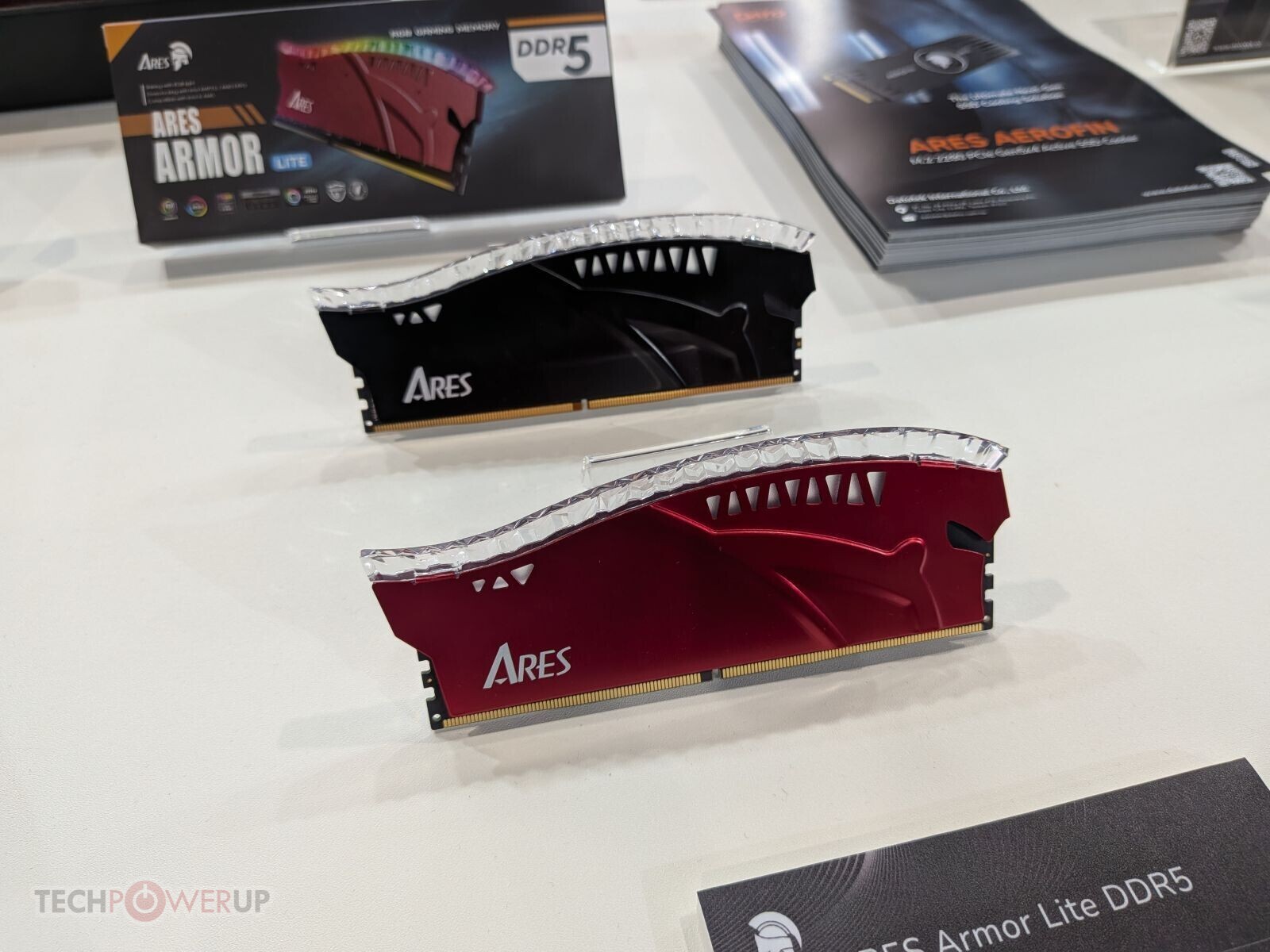
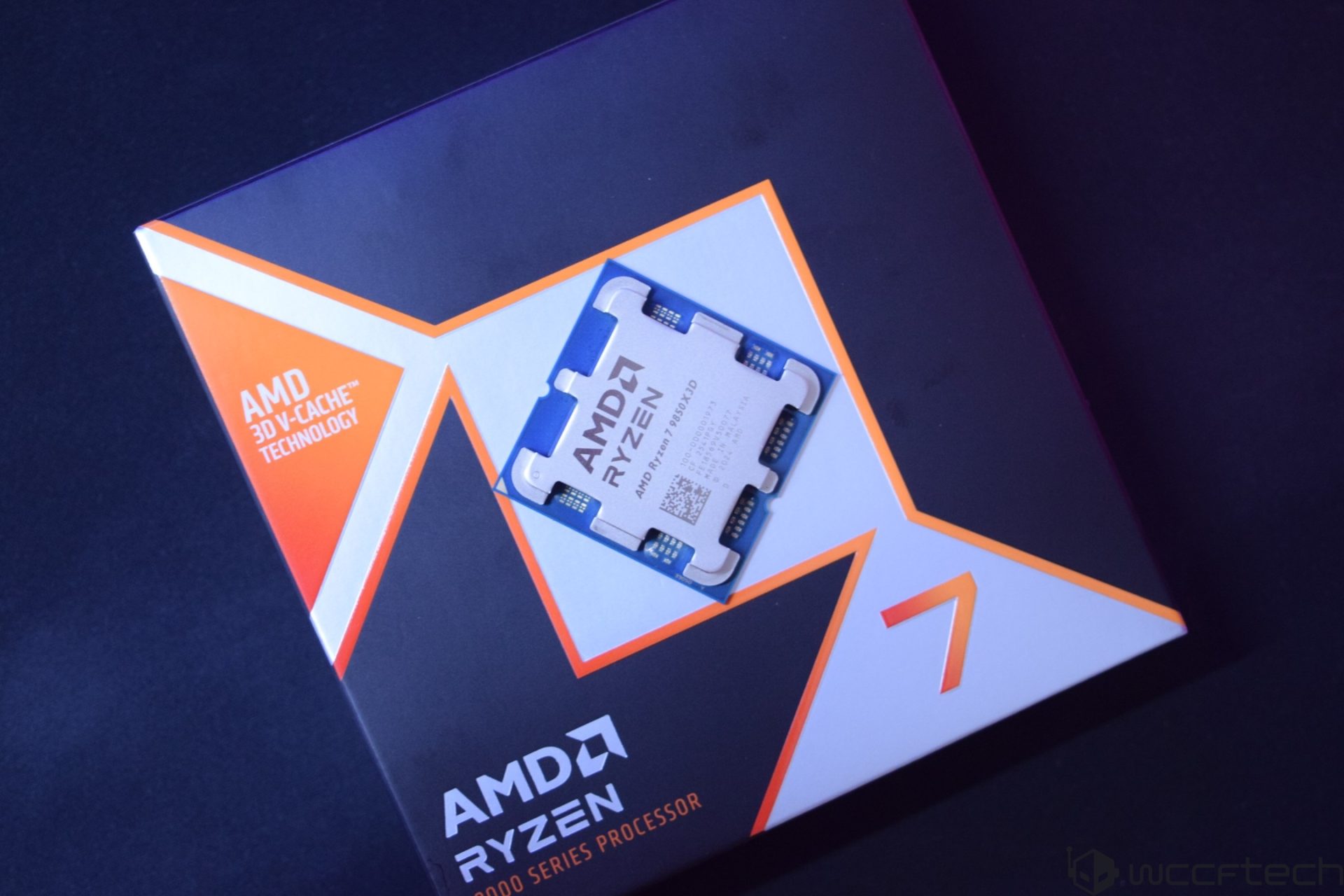
A 50% jump in AMD Ryzen CPU prices in Japan signals deeper industry shifts, yet the impact on real-world performance and affordability remains uncertain. While the latest models deliver incremental gains, the steep cost increase could leave DIY PC builders questioning whether the upgrades are worth it—especially as AI-driven demand fluctuates.
The price surge comes at a time when supply chains are still adjusting to new market dynamics. AMD’s Ryzen 7000 series, which launched with competitive specs, now faces a more cautious hardware landscape. The question for buyers is whether these CPUs offer enough real-world benefit to justify the premium over older generations.
Key Specs
- Model: Ryzen 7000 series (e.g., Ryzen 9 7950X, Ryzen 7 7800X3D)
- Cores/Threads: Up to 16 cores / 32 threads
- Socket: AM5 (DDR5-only)
- Base Clock: Varies by model (e.g., Ryzen 9 7950X: 4.5 GHz, boost to 5.7 GHz)
- Cache: Up to 80 MB L3
- TDP: 120W–170W (depending on model)
- Memory Support: DDR5-5600+
The Ryzen 7000 series introduces AM5 socket compatibility, a shift that forces users to upgrade their motherboards and RAM. While this ensures future-proofing, it also means higher upfront costs for those building or upgrading systems. The 3D V-Cache in some models (like the Ryzen 7 7800X3D) improves gaming performance, but whether that translates into noticeable day-to-day improvements remains to be seen.
Thermal and power efficiency have also been refined, with TDP ratings that suggest better real-world cooling needs. However, the price increase may offset these gains for budget-conscious buyers. The move away from DDR4 support further narrows the target audience, likely appealing only to enthusiasts or professionals who need cutting-edge performance.
Market Implications
The 50% price hike in Japan is a stark contrast to the more stable (or even declining) prices seen in other regions. This discrepancy suggests regional supply-chain pressures or localized demand spikes, possibly tied to AI-related hardware shifts. For everyday buyers, the question is whether this represents a sustainable premium or a temporary adjustment period.
Compared to Intel’s competitive offerings, AMD’s Ryzen 7000 series still holds advantages in multi-core performance and efficiency. However, with prices climbing, the value proposition becomes less clear. Buyers may find themselves caught between paying more for marginal gains or sticking with older generations that still deliver strong performance.
Who It’s For
- Enthusiasts building high-end systems who prioritize future-proofing over cost.
- Professionals needing multi-core workloads (e.g., video editing, 3D rendering).
- Gamers willing to invest in 3D V-Cache models for performance gains.
The price increase could push more buyers toward prebuilt systems or wait for potential price stabilization. For those already invested in AM4 platforms, the upgrade path is less straightforward, adding another layer of complexity to the decision-making process.
What Remains Unclear
Long-term demand for Ryzen 7000 CPUs hinges on how AI-driven workloads evolve. If AI accelerators become more integrated into consumer hardware, the need for high-core-count CPUs may shift. Additionally, whether this price hike is temporary or a new baseline remains an open question.
Final Thought
The Ryzen 7000 series brings meaningful but not revolutionary improvements, yet its steep price increase in Japan complicates the value equation. For most buyers, the upgrade may no longer be about raw performance but about whether the ecosystem (AM5, DDR5) is worth the cost in a market that’s still figuring out its next move.