Call of Duty’s legacy is built on military realism, but behind the scenes, tensions between creative vision and corporate direction have always simmered.
Recent reports suggest that Activision sought to steer a future entry in the series toward a narrative centered on Iran attacking Israel—a move that, according to a former Infinity Ward co-founder, was met with strong resistance from developers. While the exact details remain under scrutiny, this incident sheds light on broader challenges facing long-standing franchises as they navigate evolving political landscapes and industry expectations.
Creative Control vs. Corporate Influence
Developers at Infinity Ward reportedly pushed back against Activision’s proposal, citing ethical concerns and a desire to maintain the series’ established tone of military realism without direct ties to current geopolitical conflicts. The co-founder emphasized that the team’s priority was to ensure Call of Duty remained a critical examination of war rather than a tool for political messaging.
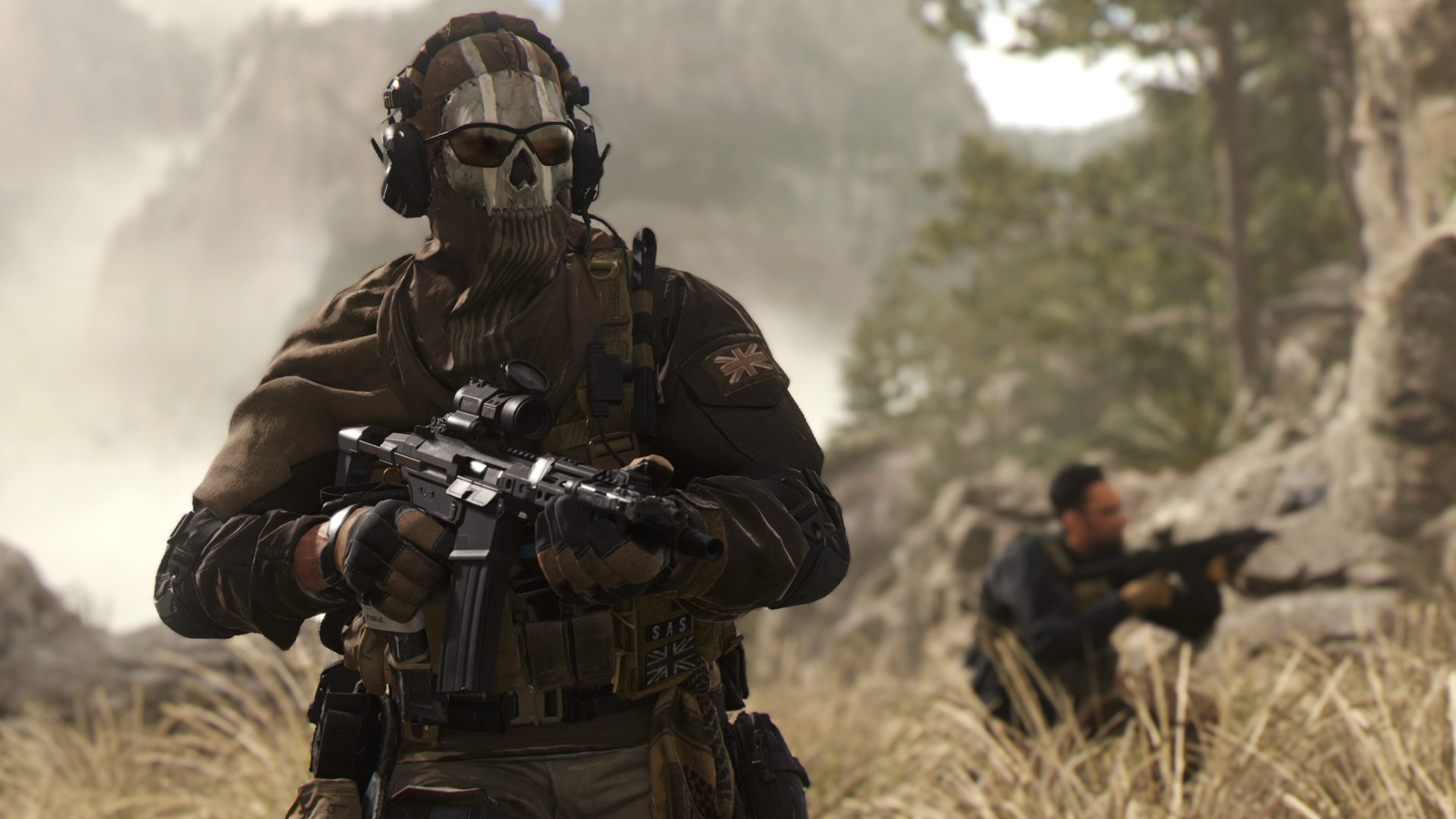
This is not the first time Activision has faced criticism for its handling of sensitive topics in the series. Previous entries, such as Modern Warfare 2, included controversial elements like the 'No Russian' level, which sparked debates about representation and realism. The industry’s struggle to balance creative integrity with commercial and political pressures continues to be a defining issue.
What It Means for Developers
The incident highlights a growing trend where franchises are expected not only to deliver high-quality gameplay but also to engage with contemporary issues. For developers, this presents a delicate balancing act—maintaining artistic vision while adhering to corporate mandates and market demands.
While Activision has not commented on the specifics of this report, the broader implications for the Call of Duty series remain significant. The question now is whether future entries will continue to challenge boundaries or succumb to external pressures, potentially altering the franchise’s identity in the process.
The full impact of these tensions may take time to unfold, but one thing is clear: Call of Duty’s path forward will be shaped by more than just gameplay innovation—it will also be influenced by the complex interplay between creativity and industry expectations.