Cookie’s Bustle was never meant to last. Released in 1999 by a small Japanese studio, it was an oddity—a point-and-click adventure blending sports competition, jailbreaks, and cryptic alien messages set on an island called Bombo World. But what began as an obscure experiment became a casualty of aggressive copyright enforcement, disappearing from fan discussions, screenshots, and even preserved playthroughs for over two decades.
Its resurrection is tied to a legal battle waged by the Video Game History Foundation, which secured an original CD-ROM of the game. The foundation’s efforts to digitize and distribute it were met with automated takedown notices from Graceware, a company claiming ownership. The catch? Graceware had never demonstrated actual commercial use of the trademark or provided evidence that the studio behind Cookie’s Bustle still existed. Legal challenges revealed that their trademark registration process was no more rigorous than mailing a letter to oneself for a postmark date.
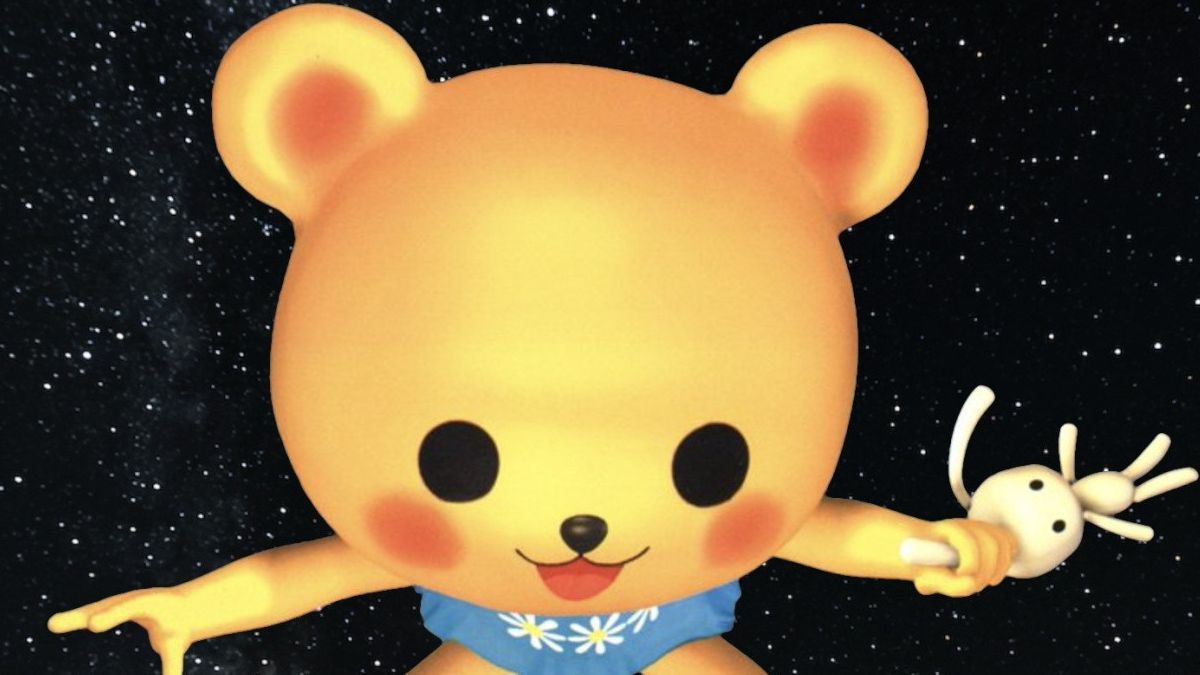
Cookie’s Bustle stands out for its surrealism. A restored three-and-a-half-hour playthrough highlights its strangest moments: a teddy-bear protagonist attempting to board a bus, aliens delivering cryptic messages, and a song the game claims is in English. These fragments, once struck from platforms like YouTube, now reappear on alternative archives, offering a window into a lost era of experimental gaming.
Key Points
- A 1999 Japanese point-and-click adventure featuring a teddy-bear girl navigating an alien-infested island called Bombo World.
- The game was suppressed for years due to copyright disputes, with takedown notices targeting fan content and preserved playthroughs.
- Graceware, the claimant, could not prove ownership or trademark use, leading to the withdrawal of automated takedown services.
- A non-profit archive obtained the original CD-ROM and challenged the claims, setting a precedent for preserving rare titles.
Why It Matters
The case underscores how aggressive copyright enforcement can erase digital history. For PC builders and archivists, it serves as a guide for challenging orphan-work claims. The legal outcome also highlights the fragility of small studios’ work—games like Cookie’s Bustle can reappear when archives push back against overbroad enforcement.
Takeaway
The return of Cookie’s Bustle is more than a victory for preservation; it’s a shift in how digital history is protected. Games once erased from the internet don’t always resurface because of quality, but because their obscurity becomes a legal battleground. That visibility is now permanent, and it offers a blueprint for others to follow.