The upcoming restructuring of Chrome's extension API presents a significant hurdle for ad-blocker developers, who must now confront a fundamental redesign in how extensions interact with web requests. This change, set to materialize in early 2024, will require extensive reworking of existing codebases, potentially leading to performance trade-offs or reduced effectiveness in blocking unwanted content.
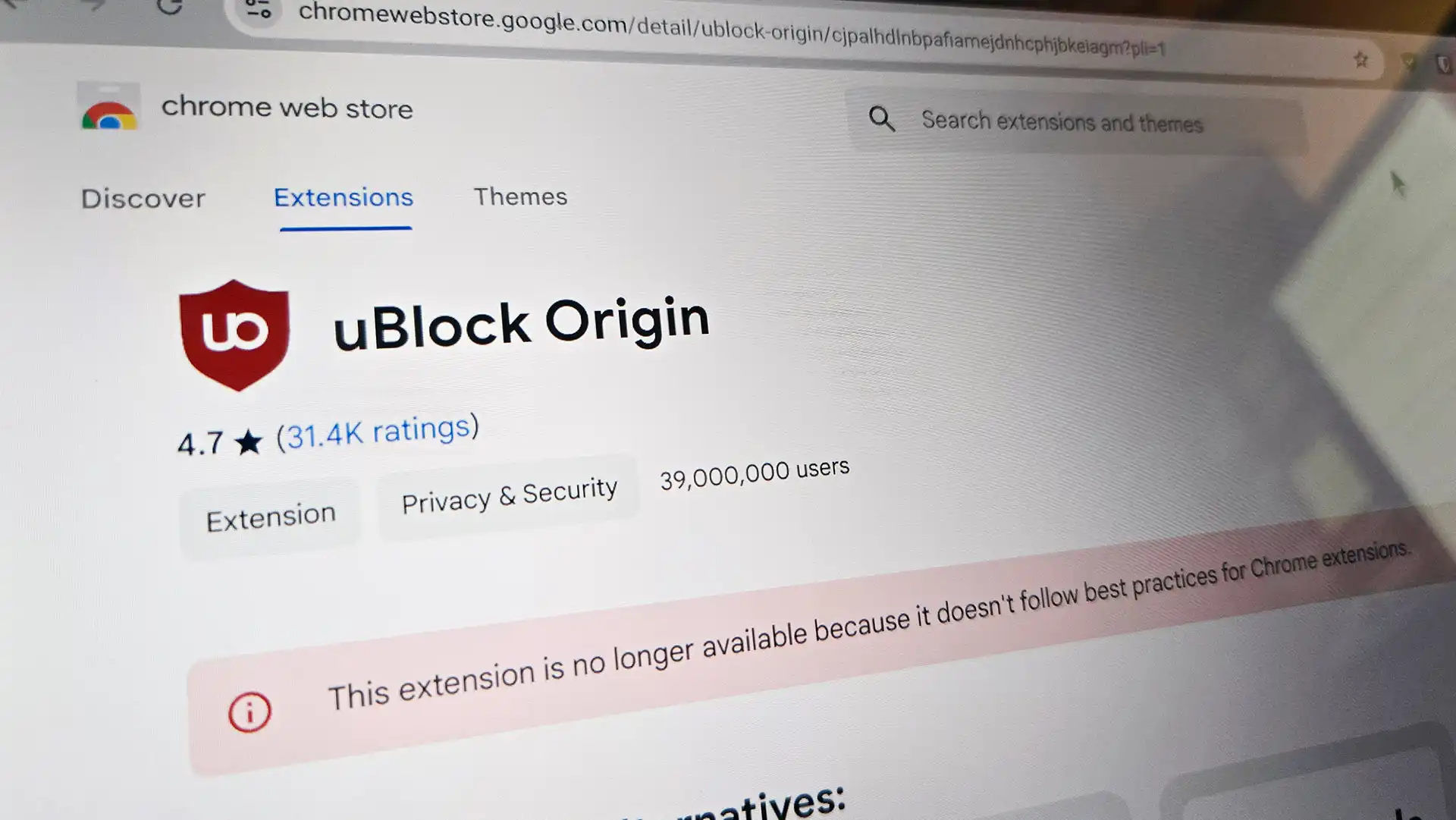
Current implementations, such as uBlock Origin and AdBlock Plus, rely on deep integration with Chrome's request-handling infrastructure. The new API framework will impose stricter constraints on how extensions can intercept and modify network traffic, which could limit the granularity of ad-blocking rules or introduce delays in processing requests. Developers face a choice: invest heavily in compatibility updates or risk losing ground to competitors who adapt more swiftly.
For users accustomed to seamless ad-blocking, the transition may not be immediately noticeable. However, underlying changes—such as increased latency or reduced blocking accuracy—could gradually erode trust in these tools. Privacy advocates may also question whether the new API structure inadvertently exposes user data by altering how extensions access or filter web content.
Industry observers note that this shift could accelerate fragmentation in the ad-blocking ecosystem, with smaller developers struggling to keep pace while larger players consolidate influence. The long-term impact on Chrome's user base remains uncertain, but the potential for a decline in ad-blocker adoption cannot be dismissed.